

Typhoon Mekkhala (2026): A Retrospective Analysis
Formation and Meteorological History
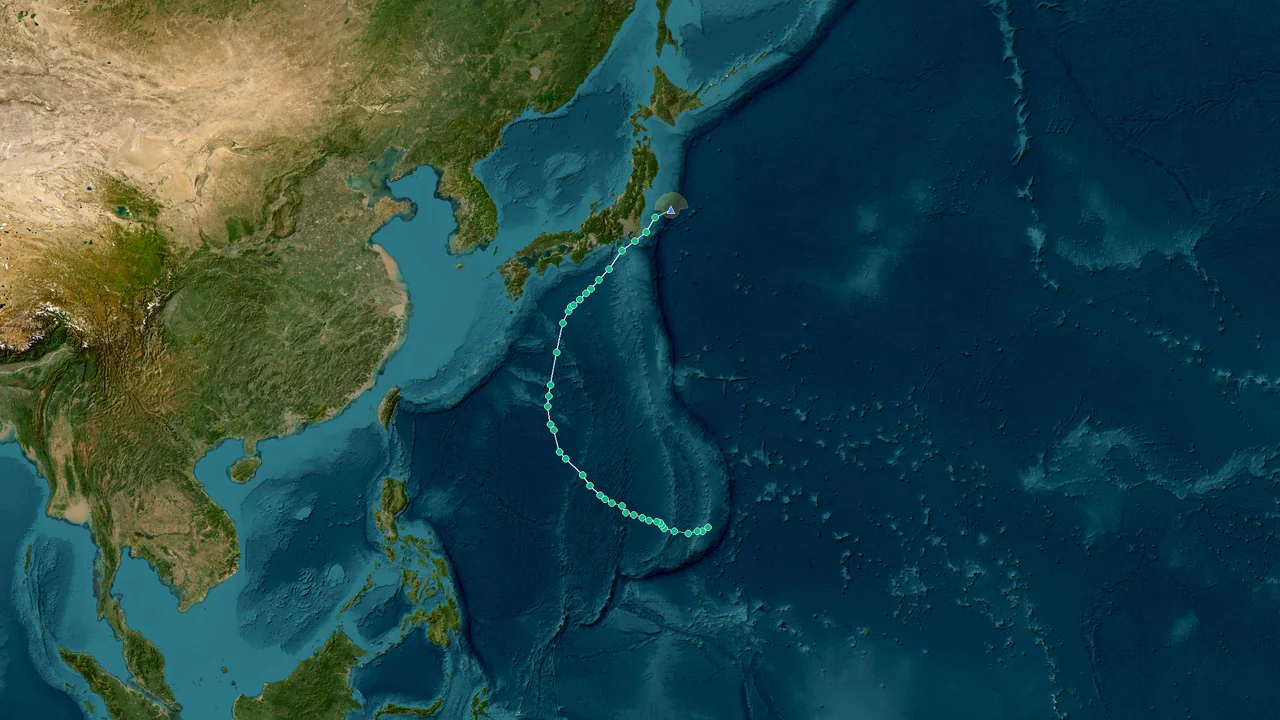
Typhoon Mekkhala, known in the Philippines as Severe Tropical Storm Francisco, formed as a tropical depression over the western Pacific Ocean in mid-June 2026. It intensified into a severe tropical storm as it moved northwestward, entering the Philippine Area of Responsibility (PAR) on June 24. The Japan Meteorological Agency (JMA) and Joint Typhoon Warning Center (JTWC) tracked the system as it strengthened into a typhoon with maximum sustained winds of 130 km/h (81 mph) and a minimum central pressure of 975 hPa. Mekkhala followed a path parallel to the northwestern coast of Okinawa, Japan, before recurving northeastward toward Honshu. Notably, it merged with Tropical Depression Higos south of Honshu on June 26, creating a larger, more powerful storm system that brought heavy rain and rough seas to Japan.
Impact and Damages
Japan: The primary impacts were felt in Japan, particularly in Okinawa and along the Pacific coast of Honshu. Okinawa experienced strong winds and heavy rainfall, causing flight cancellations at Naha Airport and disruptions to maritime activities. As the merged system approached Honshu, the Kanto region, including Tokyo, faced torrential rain, gusty winds, and high waves. Flooding and landslides were reported in several prefectures, leading to property damage and transportation disruptions. No casualties were directly attributed to Mekkhala, but the storm exacerbated existing weather conditions.
Philippines: While Mekkhala did not make landfall in the Philippines, it enhanced the southwest monsoon (habagat), bringing scattered rains and gusty winds to parts of Luzon and Visayas. The Philippine Atmospheric, Geophysical and Astronomical Services Administration (PAGASA) monitored the storm and issued warnings for possible flash floods and landslides in affected areas.
Other Regions: The storm's influence was limited to maritime areas, with no direct impacts on China, Korea, or Vietnam. However, the merger with Higos created hazardous sea conditions for shipping lanes south of Japan.
Government Response and Relief Efforts
Japan: The JMA issued timely warnings for heavy rain, strong winds, and high waves. Local governments in Okinawa and along the Pacific coast activated emergency protocols, including evacuation advisories in flood-prone areas. Airlines proactively canceled flights to and from Okinawa and other affected airports. The Japan Railways (JR) and other train operators monitored conditions and adjusted schedules as needed. No major relief operations were required as the storm did not cause widespread devastation.
Philippines: PAGASA issued regular updates and advised the public to take precautionary measures against the enhanced monsoon. The National Disaster Risk Reduction and Management Council (NDRRMC) remained on standby.
Conclusion
Typhoon Mekkhala, while not a catastrophic event, demonstrated the complexities of tropical cyclone interactions and the importance of preparedness in vulnerable regions. Its merger with Higos highlighted the need for continuous monitoring and adaptive response strategies.